Understanding the Exposure Triangle
A plain-language walkthrough of aperture, shutter speed and ISO, and how the three interact to control brightness and motion in a frame.
Resources
These guides cover the same fundamentals taught in the curriculum, written for anyone who wants a written reference between weekly assignments or before enrolling. None of it requires special software or a specific camera brand.
Getting Started
These cover the concepts most beginners hit first: exposure, framing and the switch away from full auto mode. Read them in order or jump to whichever gap feels most relevant right now.
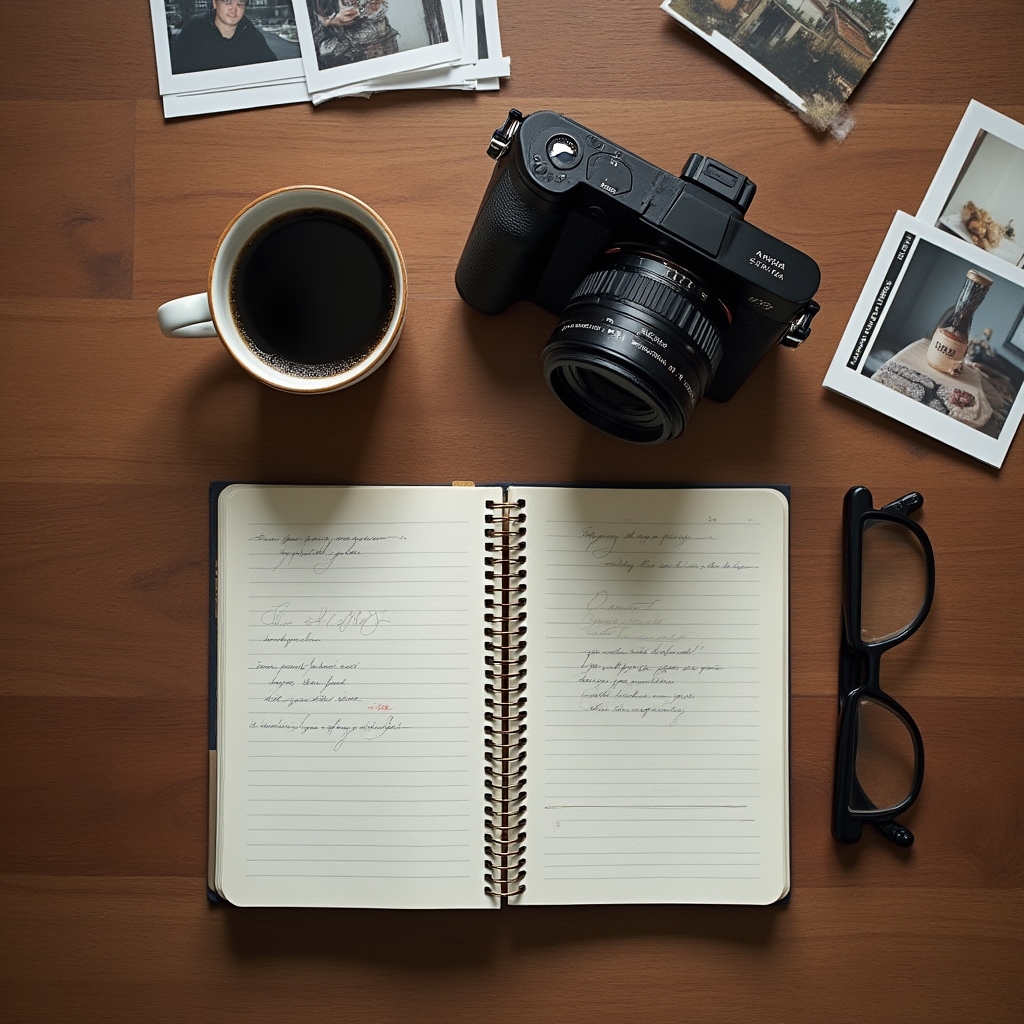
A plain-language walkthrough of aperture, shutter speed and ISO, and how the three interact to control brightness and motion in a frame.
Rule of thirds, leading lines and negative space explained through examples, along with notes on when breaking a rule works better than following it.
A short practice sequence for moving off auto exposure without feeling overwhelmed, built around a handful of low-pressure test shots.
How direction, softness and color temperature of daylight change a photo, with guidance on shooting near windows and during different times of day.
Editing
This guide walks through a simple four-pass editing routine: exposure correction, cropping, color balance and light sharpening. It is written to work with any free or low-cost editing app, including the built-in photo editors on most phones, and avoids advanced techniques like layer masking or compositing that fall outside the beginner scope of this program.
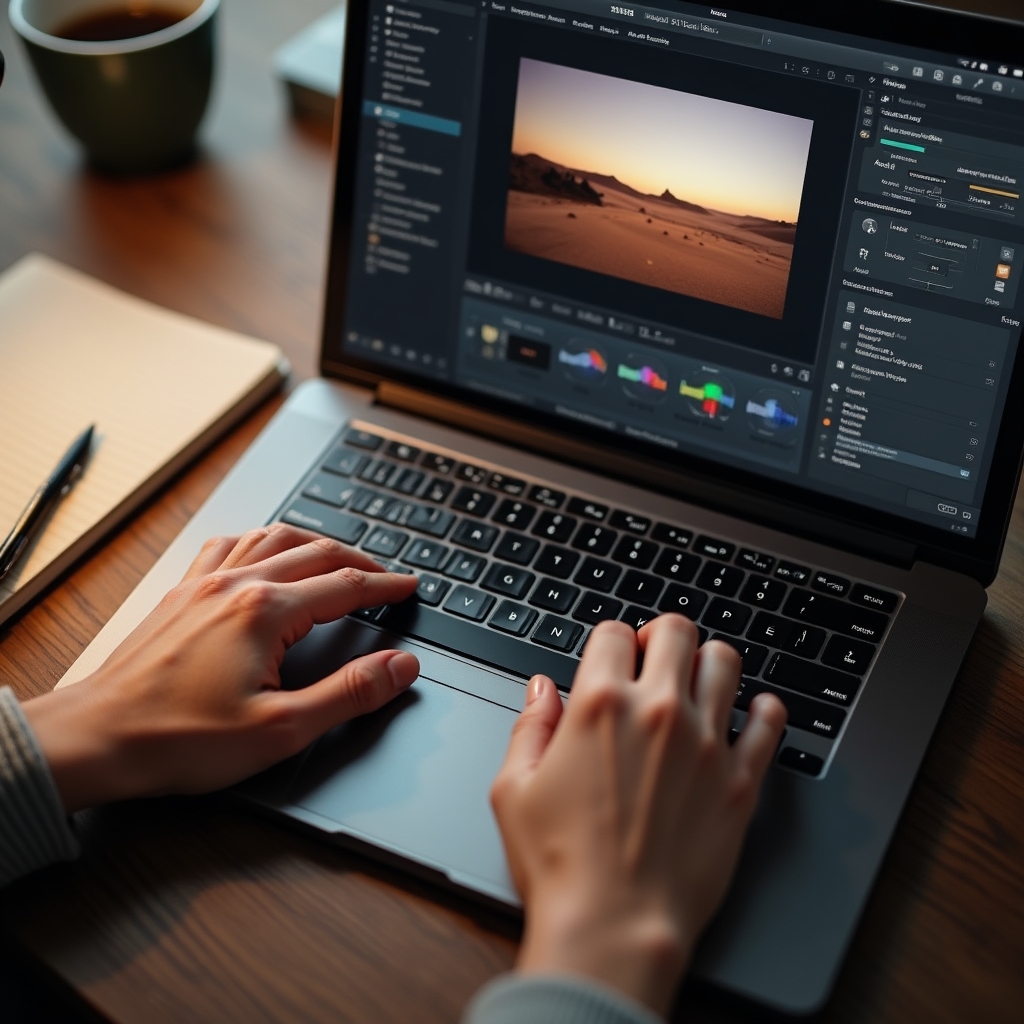
Bring midtones into a usable range before touching color.
Recheck framing after the shoot, not just before it.
Adjust white balance and saturation in small increments.
Apply just enough sharpening to hold up at normal viewing size.
Glossary
The empty or uncluttered area around a subject, used to direct attention and give a frame room to breathe.
The period shortly after sunrise or before sunset when light is softer and warmer in color temperature.
The camera's process of measuring light in a scene to suggest an exposure setting.
A grid of thumbnail images from a single shoot, used to review a full set of frames at once.
The range of distance in a photo that appears acceptably sharp, controlled largely by aperture.