Composition
Framing, leading lines, negative space and how to read a scene before raising the camera. Weekly shooting prompts replace abstract rules.
Beginner Photography Program · Available Across the US
Hemisi Sosihe teaches digital photography fundamentals through weekly shooting assignments, structured peer feedback and short editing exercises. No portfolio required to start. No certification issued at the end. Just a steady, project-based path from first exposure to a personal visual style.

A Different Starting Point
Most beginners get stuck memorizing dials instead of practicing judgment. This program flips that order. Every module opens with a single visual concept, composition, exposure, color, or framing, and asks students to test it in the field within the week. Feedback happens on real images, not theory quizzes. Over ten to twelve weeks, habits form that outlast any single camera or app.
Curriculum
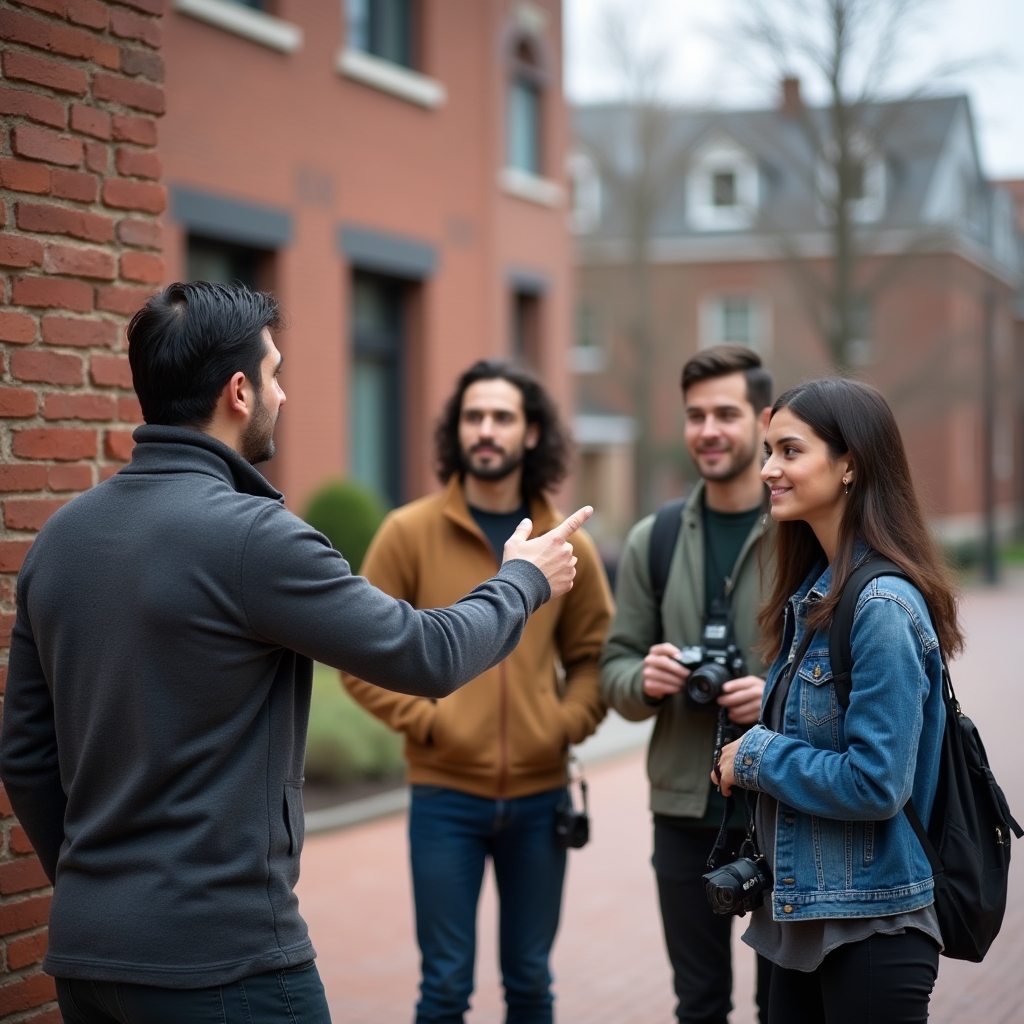
Each track builds on the last. Students move from understanding light to controlling it, then from composing a frame to refining it after the shutter clicks.
Framing, leading lines, negative space and how to read a scene before raising the camera. Weekly shooting prompts replace abstract rules.
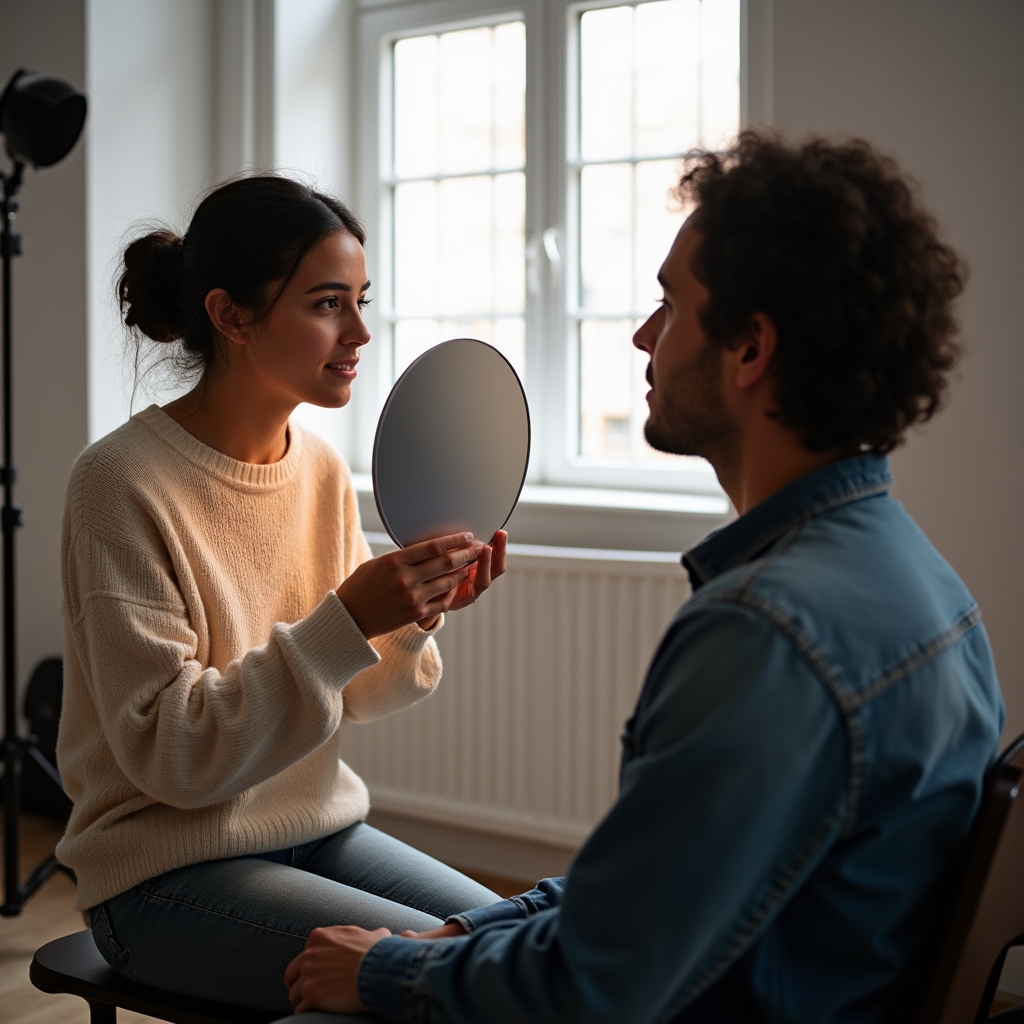
Natural light direction, quality and time of day. Basic reflector and window-light practice for portraits and still subjects.
Exposure correction, cropping, color balance and simple retouching using free or low-cost editing tools available on any laptop or phone.
A closing module where students review their weekly work as a body, identifying recurring choices that point toward a distinct visual voice.
How a Week Runs
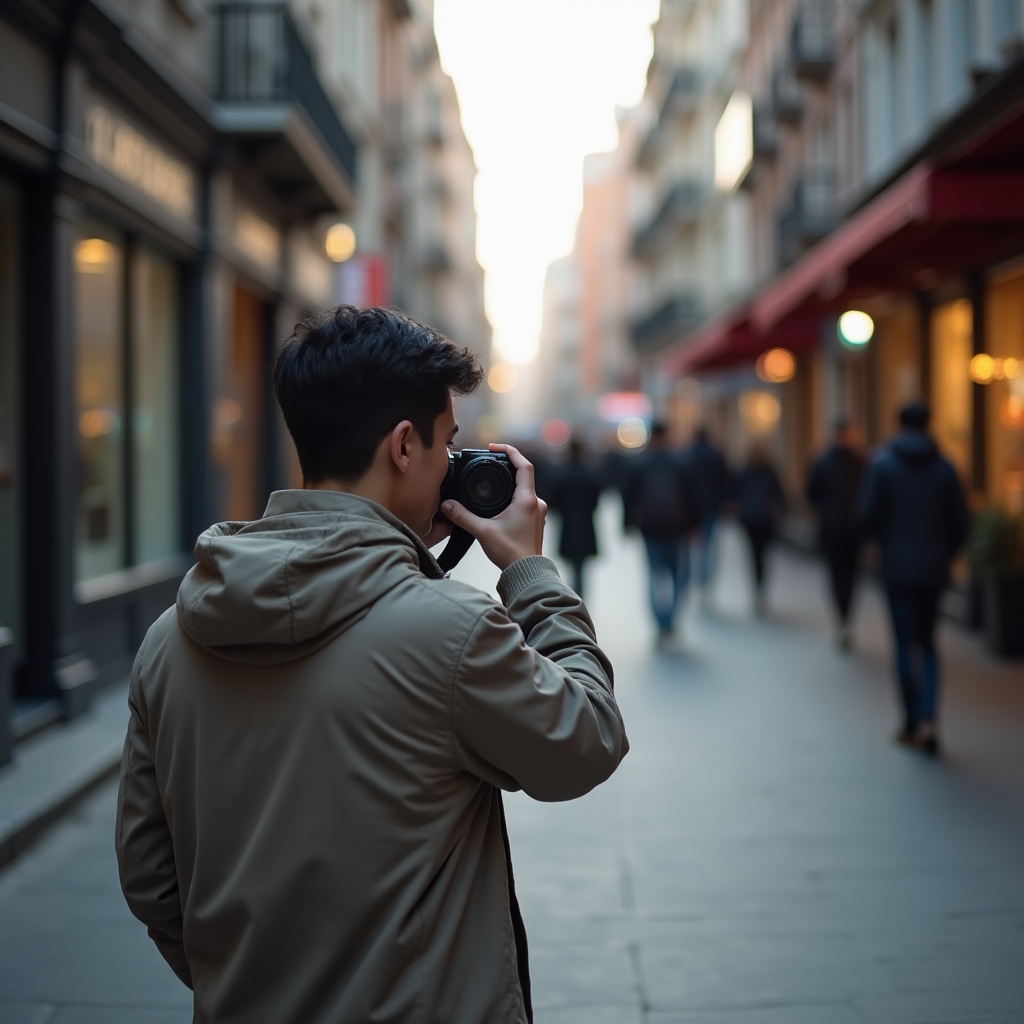
Each week opens with a specific shooting brief tied to the current module, such as "shoot three frames using only side light" or "find one strong diagonal line in a public space." Briefs are deliberately narrow so students practice one skill at a time instead of trying to do everything at once.
Assignments are completed independently, with no set shooting time. Students photograph in their own neighborhood, home or workplace using whatever camera or phone they already own. There is no required equipment list beyond a device capable of manual or semi-manual exposure control.

Work is submitted into a small peer group, typically four to six students, who review each other's images using a shared framework covering composition, exposure and intent. Feedback is written, specific and focused on what the image is doing rather than general encouragement.

Every few weeks, students lay out their recent work side by side. Patterns start to surface: a preference for tight framing, a habit of shooting into shadow, a recurring subject. Recognizing these patterns is treated as the actual milestone, more useful than any single sharp photo.
Peer Feedback
Peer review sits at the center of the program rather than at the edges. Groups stay together for the full session so feedback compounds over time, and reviewers begin to notice a classmate's growth, not just a single frame. Structured prompts keep comments concrete: what direction is the light coming from, where does the eye land first, what would change with a different crop. Instructors read submissions periodically and step into threads when a technical point needs clarifying, but the daily rhythm of the class runs on student exchange.

Reach the Program